
Every impressive building, smooth road, or vibrant new landscape starts with one essential process: moving the earth. Before foundations are poured or structures rise, the land must be shaped, leveled, and prepared — and that’s where the vital work of earthmoving Armidale comes into play. From massive commercial developments to backyard makeovers, earthmoving is the invisible backbone that makes every successful construction project possible.
At its core, earthmoving Armidale represents more than just machinery and manpower. It’s a blend of precision, engineering, and environmental awareness that transforms raw terrain into usable, stable, and functional ground. Without it, even the most detailed blueprints would remain just ideas on paper.
Understanding Earthmoving Services
Earthmoving involves altering the earth’s surface to prepare it for construction, landscaping, or agricultural use. It covers a range of specialized services, including excavation, trenching, grading, site clearing, and soil compaction. Each of these steps plays a crucial role in creating a solid base for what’s to come — whether that’s a new home, a road, or an industrial facility.
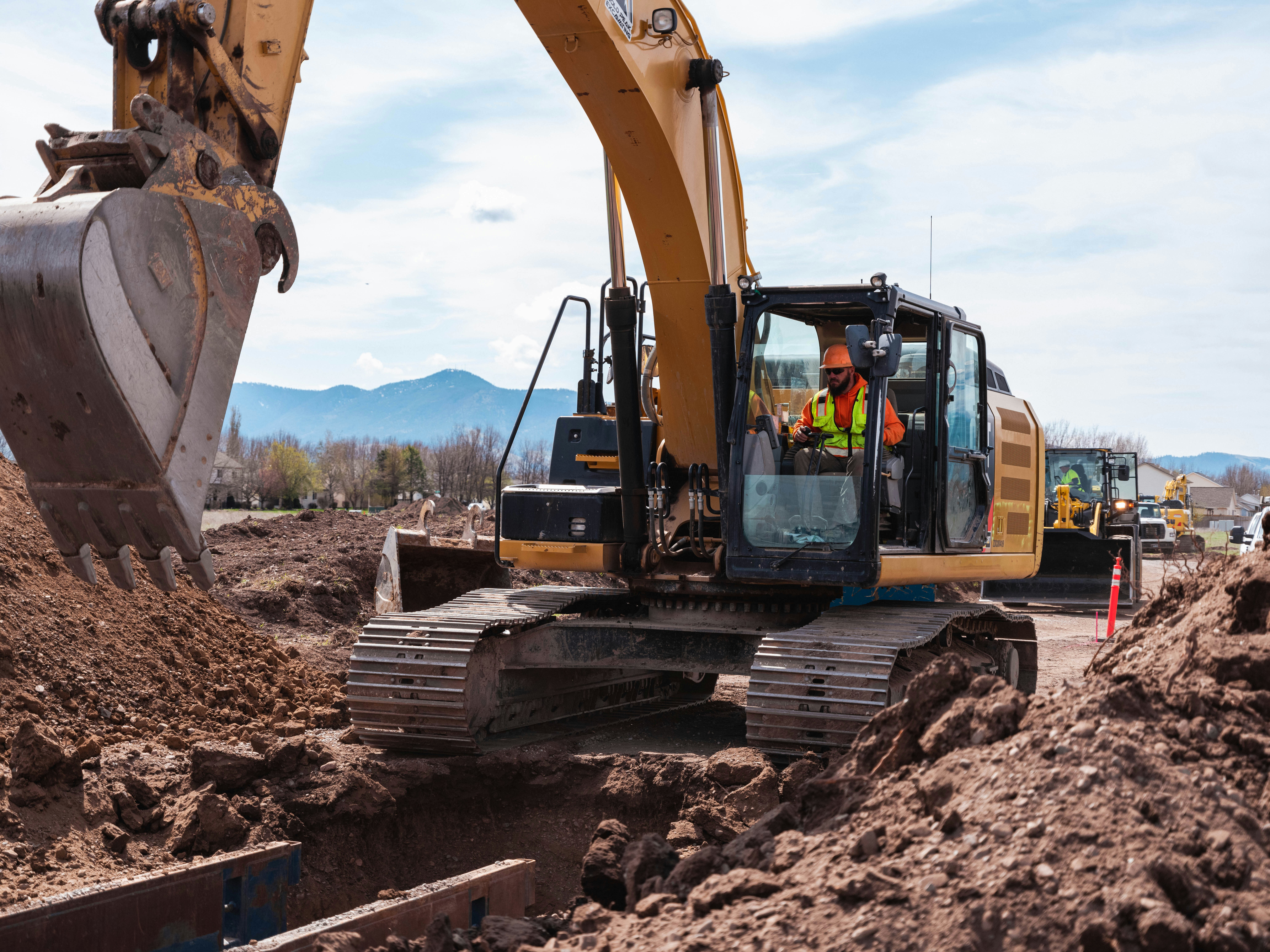
Modern earthmoving projects rely on an array of heavy machinery: excavators for digging and trenching, bulldozers for clearing and leveling, graders for achieving smooth surfaces, and skid steers for precise maneuvering. These machines, when operated by skilled professionals, can reshape even the most challenging terrain with efficiency and accuracy.
The process begins with thorough planning. Engineers and operators analyze soil types, drainage conditions, and environmental constraints before the first scoop of dirt is moved. A well-planned earthmoving project anticipates these factors, reducing risks like erosion, instability, or waterlogging later on.
Common Earthmoving Projects
Earthmoving touches nearly every type of construction project imaginable.
Residential Work often involves digging foundations, creating driveways, or preparing areas for pools, retaining walls, and drainage systems. Each requires careful leveling and compaction to ensure long-term stability.
Commercial and Infrastructure Projects demand larger-scale operations. This can include preparing shopping complexes, schools, roads, or car parks — all of which rely on earthmoving to establish proper gradients, drainage, and sub-bases.
Agricultural and Rural Applications might focus on land clearing, dam building, or creating access roads for machinery and livestock. In these cases, earthmoving helps improve land usability and water management, setting the stage for more productive farming and land development.
No two projects are the same. Each site brings unique conditions — rocky soil, steep grades, or drainage challenges — and professional earthmoving contractors know how to adapt. Their expertise allows them to balance precision with efficiency, ensuring every phase aligns with environmental and engineering standards.
Choosing the Right Earthmoving Contractor
Selecting the right contractor is a cornerstone of a successful project. A trustworthy earthmoving partner is not just someone with an impressive lineup of machines; they’re a collaborator who understands your goals, timeline, and budget.
Here are key things to look for:
- Experience and Expertise: Look for contractors with proven results on similar projects. Their understanding of soil types, equipment handling, and project management can make or break your timeline.
- Licensing and Insurance: Reputable operators are fully licensed and insured, protecting you from liability and ensuring compliance with safety regulations.
- Transparency: A detailed quote should clearly outline the scope of work, materials, and potential costs. Contractors who communicate clearly help prevent misunderstandings down the road.
- Communication: Consistent updates and responsiveness are crucial. Earthmoving is one of the earliest — and most critical — stages of construction, so trust and collaboration set the tone for everything that follows.
Requesting references from past clients can also give valuable insight into a contractor’s reliability, safety practices, and workmanship.
Key Considerations for Success
Executing a smooth earthmoving project requires a balance of planning, timing, and adaptability. Here are some essential factors to consider:
- Permits and Regulations: Many regions require specific licenses for excavation or grading, especially when working near waterways or sloped land.
- Weather Conditions: Scheduling matters. Rain, wind, and dry spells can all impact soil conditions and project timelines.
- Safety Standards: Proper safety measures protect both workers and surrounding properties. Contractors should follow strict compliance procedures and maintain all equipment to high standards.
- Environmental Responsibility: Ethical earthmoving practices include minimizing erosion, managing runoff, and preserving natural vegetation wherever possible.
A well-managed site demonstrates respect for both the environment and the people who live and work nearby.
Conclusion
Earthmoving is the foundation upon which progress is built. It transforms raw land into opportunity — setting the stage for homes, businesses, and communities to grow. Whether you’re preparing a small backyard project or overseeing large-scale infrastructure, the success of everything that follows depends on the quality and precision of the groundwork.
Choosing the right contractor, understanding the process, and prioritizing safety and sustainability are the keys to ensuring that your project starts strong and finishes stronger. In the end, earthmoving isn’t just about shifting dirt — it’s about shaping the future, one layer at a time.