
The construction industry plays a pivotal role in shaping global demand for timber, influencing everything from harvesting practices to supply chain logistics. As building projects increase in scale and complexity, the pressure on timber suppliers to meet market needs grows substantially. Understanding how these factors interact provides valuable insight into the delicate balance between supply, sustainability, and innovation within the timber sector. For companies such as those managing timber supplies yamba, this relationship underscores the importance of adaptability and responsible sourcing in an ever-changing market.
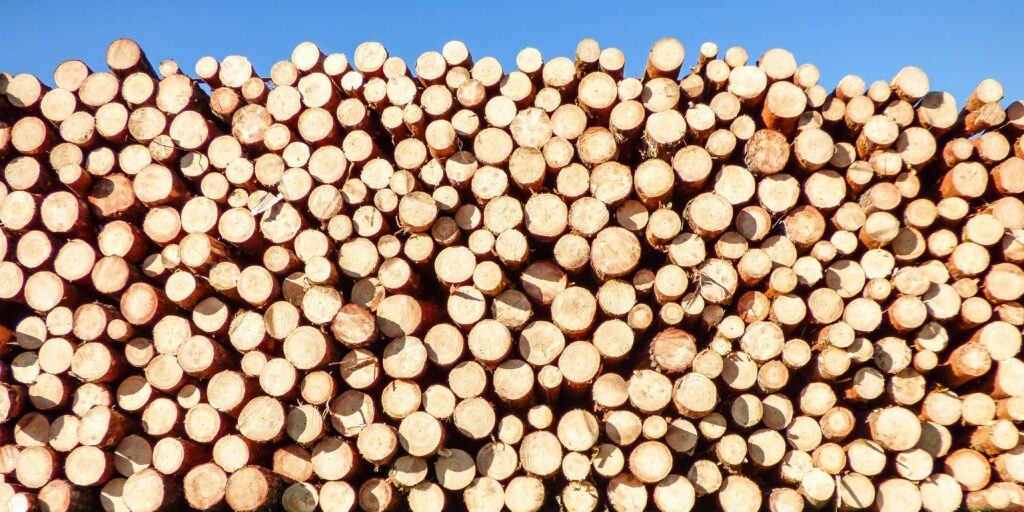
The Relationship Between Construction Growth and Timber Demand
Construction activity directly drives timber consumption. Every new housing development, commercial building, or infrastructure project requires large volumes of wood for framing, flooring, paneling, and finishing. When construction booms—often spurred by population growth or economic expansion—the demand for timber rises sharply. Conversely, when the building sector slows, timber supply chains experience reduced orders and production.
This cyclical pattern places suppliers and manufacturers in a constant state of adjustment. They must forecast demand accurately, manage inventory efficiently, and ensure that raw material sourcing aligns with both market requirements and environmental standards. Misjudging this balance can lead to overharvesting or supply shortages, each with its own economic and ecological consequences.
Impact on Timber Supply Chains
The growing demand for timber has a cascading effect across the entire supply chain. From forest management to transportation and retail distribution, each stage faces unique challenges in meeting construction-driven needs. Harvesters may be pushed to increase output, mills must scale up production, and logistics companies need to move larger quantities of timber in shorter timeframes.
Such rapid scaling can strain existing systems. Increased harvesting without adequate forest regeneration can lead to deforestation and habitat degradation. Additionally, supply chain bottlenecks—such as labor shortages, transport delays, or raw material scarcities—can further complicate the flow of timber to construction markets. These pressures highlight the need for sustainable management strategies that balance industry growth with environmental preservation.
Sustainability and Responsible Sourcing
Sustainability is now at the forefront of modern timber supply discussions. With construction companies seeking environmentally certified materials, timber suppliers must prioritize ethical sourcing and forest stewardship. Sustainable forestry ensures that harvested areas are replanted and biodiversity is protected, maintaining long-term timber availability.
Certifications such as those provided by the Forest Stewardship Council (FSC) or the Programme for the Endorsement of Forest Certification (PEFC) help verify that wood products originate from responsibly managed forests. Suppliers who adopt these standards not only protect the environment but also gain a competitive advantage, as many builders and architects prefer using certified timber in their projects.
Economic Implications of Construction Demand
The timber industry operates within a global economic framework that responds to fluctuations in construction spending. Rising demand can lead to higher timber prices, benefitting suppliers and forest owners, but also increasing costs for builders and consumers. Conversely, economic downturns that reduce construction activity often lead to an oversupply of timber, driving prices down and affecting profitability throughout the industry.
In this context, companies dealing with timber supplies Yamba and beyond must navigate market volatility with resilience. Diversifying product offerings, exploring engineered wood alternatives, and investing in efficient processing technologies can help mitigate the risks associated with unpredictable construction cycles.
Technological Innovation and Efficiency
Advancements in technology have transformed both the construction and timber industries. Engineered wood products such as cross-laminated timber (CLT) and laminated veneer lumber (LVL) have emerged as strong, sustainable alternatives to traditional materials. These innovations enable greater resource efficiency, reducing waste while meeting the structural performance requirements of modern buildings.
Digital tools, including inventory management systems, predictive analytics, and remote sensing, further enhance supply chain visibility. By leveraging technology, suppliers can monitor forest resources, anticipate demand trends, and optimize operations to ensure steady timber availability even during market fluctuations.
Future Outlook for Timber Supply and Construction
Looking ahead, the connection between the construction sector and timber supply will only strengthen. The growing emphasis on sustainable building practices is likely to increase demand for responsibly sourced wood. At the same time, urbanization and the global shift toward renewable materials position timber as a cornerstone of eco-friendly architecture.
To meet this rising demand, the timber industry must focus on innovation, transparency, and long-term forest management. Developing circular supply models, where reclaimed and recycled wood reenters the market, will also help maintain material flow while minimizing environmental impact.
Conclusion
The construction industry’s demand for timber profoundly influences supply dynamics, shaping economic strategies, sustainability practices, and technological innovation. Balancing these forces requires cooperation among builders, suppliers, and policymakers to ensure that timber remains a renewable and responsibly managed resource. As global construction activity continues to expand, maintaining equilibrium between industry needs and environmental preservation will be crucial to a resilient, sustainable timber future.