
In any industrial environment, efficiency and resource conservation are vital to maintaining profitability and sustainability. When it comes to welding dubbo, achieving high-quality results while minimizing waste requires a thoughtful combination of planning, skill, and process control. From fabrication shops to large-scale production lines, reducing waste in welding operations not only saves money but also lessens environmental impact, improves safety, and supports better productivity across the board.
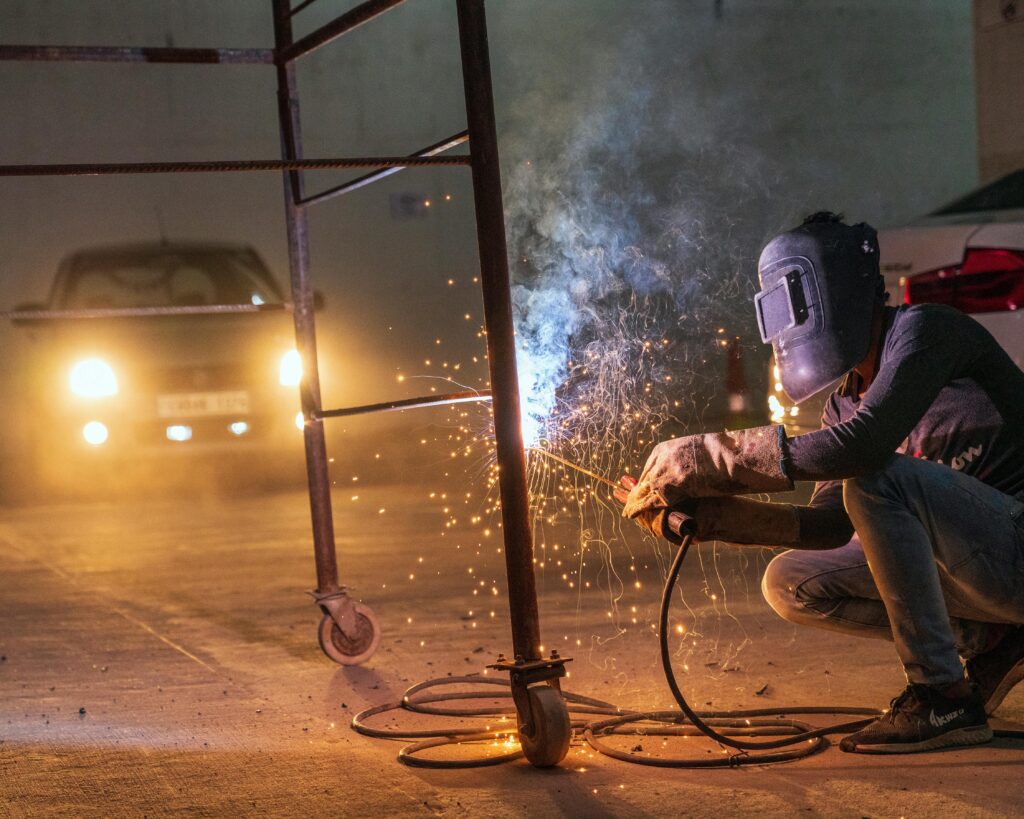
Understanding Welding Waste
Welding waste can take many forms: unused consumables, excessive grinding, spatter, material offcuts, rejected welds, and even wasted energy. Every time a defective weld needs rework or excess filler metal is used, costs rise, and efficiency drops. Waste reduction, therefore, begins by recognizing inefficiencies and addressing them at each stage: preparation, welding, inspection, and maintenance.
Improving Process Efficiency
A major contributor to waste in welding operations is poor process control. Selecting the right welding process for each task makes a significant difference. For example:
- MIG Welding (GMAW): Offers fast, consistent welds with minimal cleanup when parameters are properly tuned. Using solid wire and controlled gas flow reduces spatter and the need for post-weld grinding.
- TIG Welding (GTAW): Known for precision and low spatter, TIG helps eliminate rework caused by poor aesthetics or contamination, especially in stainless steel and aluminum.
- Stick Welding (SMAW): While flexible, it can generate more waste in the form of leftover electrodes and slag. Using the correct rod size and storage methods helps reduce losses.
- Flux-Cored Welding (FCAW): With its high deposition rates, this method can be efficient, but incorrect wire speed or voltage can increase spatter. Regular calibration prevents material waste.
Planning and Preparation
Preparation is the foundation of waste reduction. Poor fit-up, contamination, or improper joint design often lead to excessive filler use and time-consuming rework. To minimize these issues:
- Cleanliness: Remove rust, oil, and paint before welding to avoid defects and porosity.
- Joint Design: Select joint types that minimize material removal while still providing the required strength.
- Accurate Measurement: Ensure components fit correctly before tacking to prevent cut-and-reweld cycles.
- Material Handling: Organize consumables efficiently to prevent damage or contamination.
By taking time to plan and prepare correctly, welding teams can prevent the most common forms of waste before an arc is even struck.
Controlling Consumable Use
Consumables such as wire, gas, and electrodes represent a large portion of welding costs. Implementing usage-tracking systems can reveal patterns of overconsumption. Small adjustments, such as optimizing gas flow rates, selecting the appropriate electrode size, or using the correct contact tip, can yield significant savings. Purchasing in bulk or standardizing consumables across projects can further streamline operations and reduce unused leftover stock.
Training and Skill Development
Operator skill plays an enormous role in waste generation. An experienced welder can produce stronger, cleaner welds with fewer materials and less time. Training should focus on:
- Correct parameter settings and machine calibration
- Proper torch angle and travel speed
- Understanding of materials and filler compatibility
- Inspection techniques to identify defects early
By investing in continuous training and certification, companies can drastically reduce errors and improve first-pass yield—reducing the need for costly rework or scrap.
Maintenance and Equipment Calibration
Even the best welder will produce inconsistent results with poorly maintained equipment. Regular maintenance and calibration ensure that wire feed speeds, voltage outputs, and shielding gas delivery remain within specified ranges. Preventive maintenance also extends equipment life, saving money on repairs and replacement parts while maintaining consistent weld quality.
Recycling and Reuse
While eliminating all waste is impossible, responsible recycling practices can reduce disposal costs and environmental impact. Collecting and recycling scrap metal, segregating different alloys, and reclaiming leftover wire or flux are all effective strategies. Additionally, reusing jigs, fixtures, and test plates when appropriate helps reduce material waste without compromising safety or quality.
Energy Efficiency
Welding is energy-intensive, so energy management is another key factor. Turning off machines and gas supplies when not in use, using inverter-based power sources, and optimizing duty cycles all help reduce electricity and gas waste. Monitoring energy consumption can identify further opportunities for cost savings.
Continuous Improvement and Monitoring
Waste reduction is not a one-time effort; it requires consistent monitoring and improvement. Implementing performance metrics such as material utilization rate, first-pass yield, and rework frequency can help track progress over time. Regular audits of welding processes and materials reveal opportunities for further refinement. Encouraging employee feedback also ensures that small, shop-floor innovations are recognized and adopted across the operation.
Conclusion
Reducing waste in welding operations is about working smarter, not just harder. Through careful planning, training, and process optimization, fabricators can enhance quality while minimizing costs and environmental impact. Whether it’s in a small workshop or a large production facility, the principles remain the same: eliminate inefficiency, prioritize quality, and make every weld count. By applying these strategies to welding dubbo and beyond, operators can achieve sustainable, high-performing results that benefit both their business and the planet.