
Infrastructure such as tunnels, bridges, and underground structures plays a crucial role in connecting communities, supporting commerce, and ensuring the smooth flow of transportation and utilities. However, these structures are constantly exposed to harsh environmental conditions and varying levels of water pressure. Without effective waterproofing, even the most robust construction can suffer from structural degradation, corrosion, and costly long-term damage. For this reason, waterproofing Hervey Bay specialists and similar professionals across the industry emphasize advanced protection systems that safeguard concrete, steel, and other materials from the destructive effects of moisture infiltration.
The Importance of Waterproofing in Civil Infrastructure
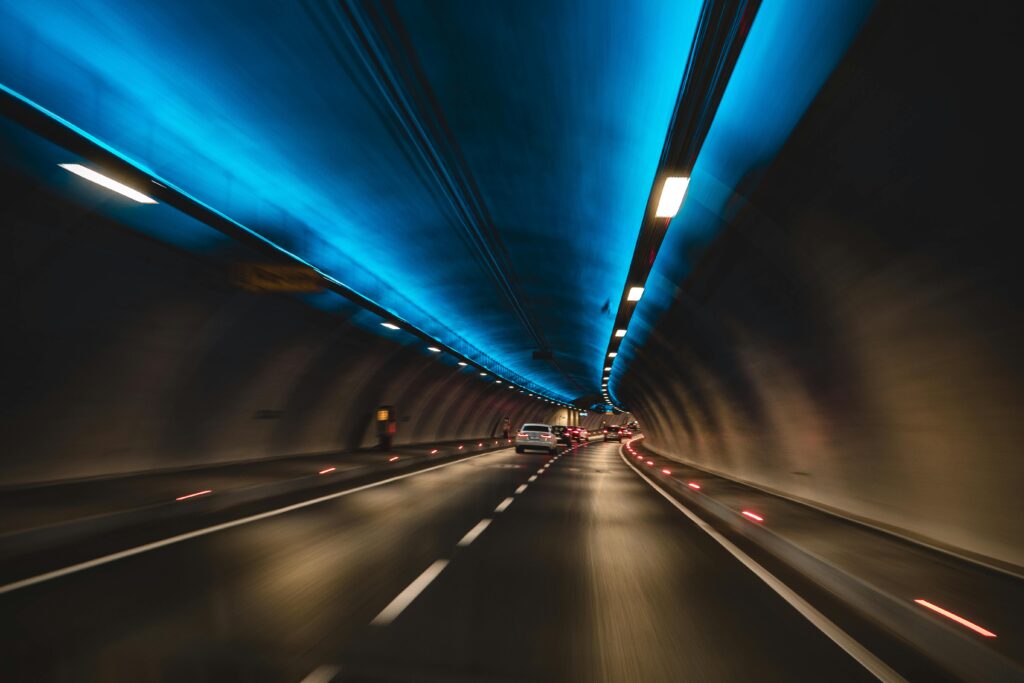
Waterproofing is not simply about preventing leaks—it is about ensuring the longevity and durability of essential structures. Tunnels and underground spaces are typically below the water table, making them prone to hydrostatic pressure and water seepage. Bridges, on the other hand, are exposed to rainfall, humidity, and surface runoff that can penetrate cracks in the concrete, leading to corrosion of reinforcing steel and eventual structural weakening.
Proper waterproofing provides a barrier that resists water ingress, chemicals, and environmental pollutants. It helps maintain the materials’ strength, prevents corrosion, and minimizes maintenance costs throughout the structure’s lifespan. In large-scale civil engineering projects, waterproofing is therefore considered a vital part of design and construction planning.
Key Waterproofing Challenges
Tunnels and underground structures face unique challenges due to their constant contact with groundwater and fluctuating pressure levels. The primary issues include:
- Hydrostatic Pressure: Continuous groundwater pressure can cause cracks or force moisture through weak points in the structure.
- Structural Movement: Underground vibrations, soil shifts, and temperature changes can cause minor movements that may compromise the integrity of rigid waterproofing membranes.
- Chemical Attack: Groundwater often contains chlorides, sulfates, or other chemicals that corrode steel and degrade concrete.
- Limited Access for Maintenance: Once construction is complete, repairs to tunnel linings or deep foundations are difficult and expensive.
For bridges, exposure to heavy rain, fluctuating temperatures, and de-icing chemicals leads to surface deterioration and water infiltration through expansion joints and deck cracks. This makes flexible and durable waterproofing systems indispensable for long-term performance.
Common Waterproofing Systems and Materials
The choice of a waterproofing system depends on the structure type, site conditions, and expected exposure. Among the most widely used systems are:
- Sheet Membrane Systems – These pre-formed waterproofing sheets, often made from bituminous or synthetic materials, are ideal for tunnel linings and bridge decks. They form a continuous barrier that resists water ingress and mechanical stress.
- Liquid-Applied Membranes – These are flexible coatings applied directly to surfaces, creating seamless protection even on irregular shapes. Once cured, they form a durable, elastic, waterproof layer suitable for concrete joints and retaining walls.
- Cementitious Coatings – This method involves applying cement-based compounds that bond strongly with the substrate. It is commonly used in underground tanks, foundations, and areas where chemical resistance is essential.
- Injection Grouting Systems – For repairing existing leaks or filling cracks, resin or polyurethane injections are used to block pathways where water may enter. This is often part of rehabilitation work in older tunnels or underground facilities.
- Bentonite Waterproofing Systems – Bentonite clay panels expand when in contact with water, forming a self-sealing barrier effective for subgrade applications such as basements and retaining walls.
Each of these methods provides distinct benefits, and engineers typically select a combination of systems to achieve complete protection.
Design and Installation Best Practices
Effective waterproofing begins at the design stage. Engineers and contractors must consider drainage, joint detailing, material compatibility, and long-term maintenance. Proper substrate preparation is essential to ensure membrane adhesion and continuity. Additionally, using high-quality materials and ensuring strict quality control during installation significantly reduces the risk of premature failure.
Inspections and testing should also be carried out throughout the process to detect potential weak points early. Post-construction monitoring can further help ensure that waterproofing systems continue to perform as intended over time.
Maintenance and Longevity
Even the most advanced waterproofing systems require routine inspection and upkeep. Over time, structures are subjected to movement, chemical exposure, and environmental stress. Periodic assessments help detect early signs of wear or damage, allowing for preventive maintenance before major issues develop.
Maintaining proper drainage systems, clearing debris from surface channels, and repairing small cracks promptly are key steps in preserving the integrity of the waterproofing layer. By combining strong initial design with proactive maintenance, infrastructure can maintain its performance for decades.
Conclusion
Waterproofing is an essential component in the design and maintenance of tunnels, bridges, and underground structures. It provides the necessary defense against water ingress, corrosion, and environmental damage that can compromise safety and durability. By integrating modern materials, precise installation methods, and consistent maintenance, engineers can ensure that vital infrastructure remains secure and reliable. Through these efforts, experts in fields such as waterproofing Hervey Bay demonstrate the importance of combining technology, craftsmanship, and long-term planning to protect structures that support everyday life.